
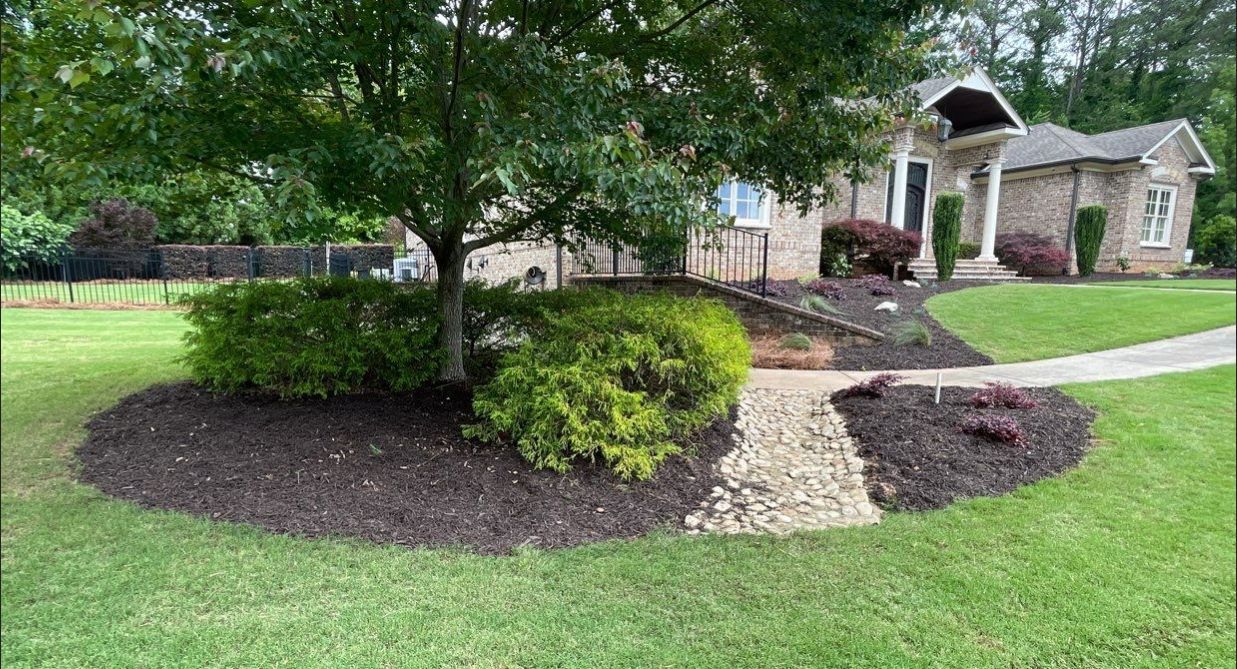
Understanding How Erosion Affects Your Landscape
Erosion is one of the most common challenges homeowners face, yet it often develops quietly over time. What begins as a small patch of washed-out soil or uneven ground can gradually turn into a larger issue that affects plant health, drainage, and the overall stability of your landscape. In Georgia, where periods of heavy rain are common, erosion can progress quickly if it is not addressed early.
At Wallis Landscape, we frequently help homeowners identify erosion concerns before they escalate. Taking steps to manage erosion is not just about keeping your yard looking tidy, but also about protecting the long-term health of your landscape and preserving the investment you have made in your property.
How Water Flow Shapes Your Landscape
Water is the primary force behind erosion. When rainfall exceeds the soil’s ability to absorb it, water begins to move across the surface, carrying soil along with it. This runoff often follows natural slopes, concentrating in certain areas and slowly reshaping the land. Over time, repeated water movement can remove topsoil, form channels, and destabilize planting areas. Without proper control, even a well-designed landscape can begin to lose its structure.
The Impact of Erosion on Landscape Health
Erosion affects more than the visible surface of your yard. As soil shifts and washes away, plants lose the support and nutrients they need to thrive. Lawns may thin, garden beds can struggle to retain moisture, and trees may become stressed as their roots are exposed or weakened. These changes often happen gradually, making them easy to overlook until plant health begins to decline.
Why Sloped and Uneven Areas Are at Greater Risk
Properties with slopes or elevation changes face a higher risk of erosion. Gravity increases the speed of water as it moves downhill, making it easier for soil to be displaced. Hillsides, raised planting beds, and areas near retaining walls are often the first to show signs of erosion. Without proper stabilization, these areas can quickly deteriorate, leading to uneven ground and ongoing maintenance challenges.
How Erosion Affects Hardscapes and Structures
Erosion does not stop at plants. Hardscapes and structures can also be affected when soil is lost or shifts over time. Walkways, patios, and driveways rely on stable ground beneath them. As erosion occurs, these surfaces may settle, crack, or become uneven. Near foundations, erosion can create drainage problems that impact the structure of the home itself. Addressing erosion helps protect both the landscape and the features built within it.
Recognizing Early Signs of Erosion
Catching erosion early makes it much easier to manage. Washed-out mulch, bare patches of soil, exposed roots, and small channels created by runoff are common warning signs. Pooled water after rainfall or areas that remain muddy longer than expected can also indicate underlying drainage issues. Paying attention to these changes allows homeowners to take action before erosion becomes more severe and costly to correct.
Effective Erosion Control Solutions
Managing erosion requires more than a temporary fix. Long-term solutions focus on stabilizing soil and controlling water flow through the landscape. At Wallis Landscape, we tailor erosion control strategies to each property’s layout, soil conditions, and drainage patterns.
Using Drainage to Manage Water Flow
Proper drainage is one of the most effective tools for erosion control. Redirecting water away from vulnerable areas reduces runoff speed and limits soil displacement. Grading adjustments, drainage systems, and downspout redirection all help guide water where it can safely disperse. These solutions protect planting areas and reduce ongoing erosion during heavy rain.
Stabilizing Soil With Plants and Structural Support
Plants play a valuable role in maintaining soil in place. Deep-rooted shrubs, grasses, and ground covers anchor soil and slow water movement, creating a natural barrier against erosion. In areas with steeper slopes or significant elevation changes, retaining walls and other hardscape features may be necessary. When designed properly, these structures provide long-term support while blending into the overall landscape design.
The Long-Term Value of Erosion Control
Investing in erosion control offers benefits that extend well beyond the immediate repair of problem areas. Stabilized soil supports healthier plants, preserves hardscapes, and maintains the original landscape design. It also reduces the need for repeated replanting, soil replacement, or structural repairs. Over time, effective erosion control protects property value and contributes to a landscape that remains functional and attractive year after year.
How Wallis Landscape Supports Long-Term Landscape Health
Wallis Landscape works closely with homeowners to evaluate erosion risks and develop solutions that address both current concerns and future conditions. Our team considers water flow, soil composition, plant selection, and structural needs when creating erosion control plans. By taking a proactive approach, we help homeowners protect their landscapes and avoid ongoing issues caused by soil loss.
Protecting Your Landscape for the Future
Erosion control is essential in maintaining a healthy and resilient landscape. Addressing erosion early helps preserve plant health, protect hardscapes, and prevent more extensive damage over time. With thoughtful planning and the right solutions, your landscape can remain stable and well-maintained through changing weather conditions.
If you are concerned about erosion on your property or want to take preventive steps, Wallis Landscape is here to help. Contact us through our website or call/text 770-985-2099 to schedule a consultation and find out how we can help with the long-term health of your landscape.


